Copyright 2020 - 2021 irantour.tours all right reserved
Designed by Behsazanhost
First Time in IRAN

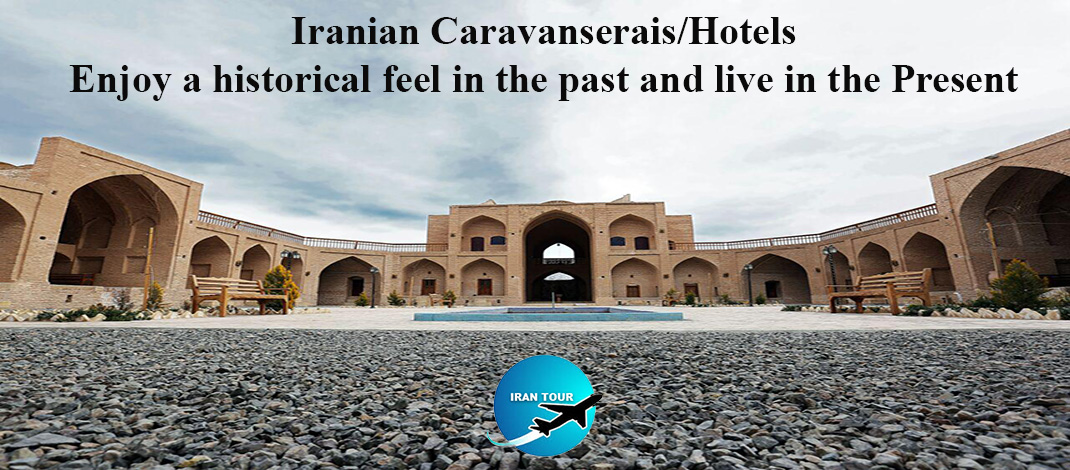
Where To Stay in IRAN
One of the most important parts of travel is accommodation
Travelers on their trip to Iran can have a wide variety of hotels.
Thousands of different models of hotels are currently available all over Iran.
Choosing your favorite hotel in Iran, you face a wide range of services and styles, from new-built modern hotels to outstanding traditional ones.
Hotels in Iran are classified into 2 major categories.
Traditional hotels: which make truly a memorable accommodation for you
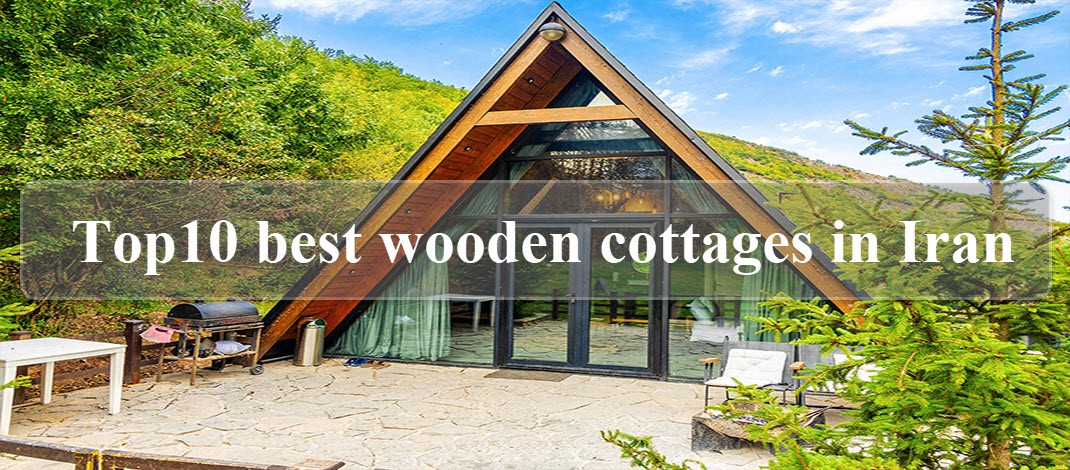
Modern hotels: like all the standard hotels in the world

What type of traveller are you?
What to see in IRAN
Tours And Activities
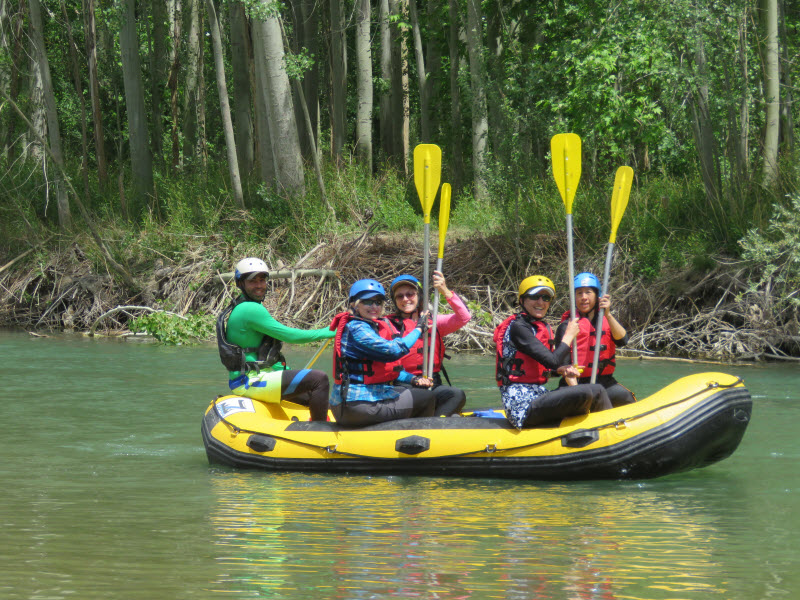
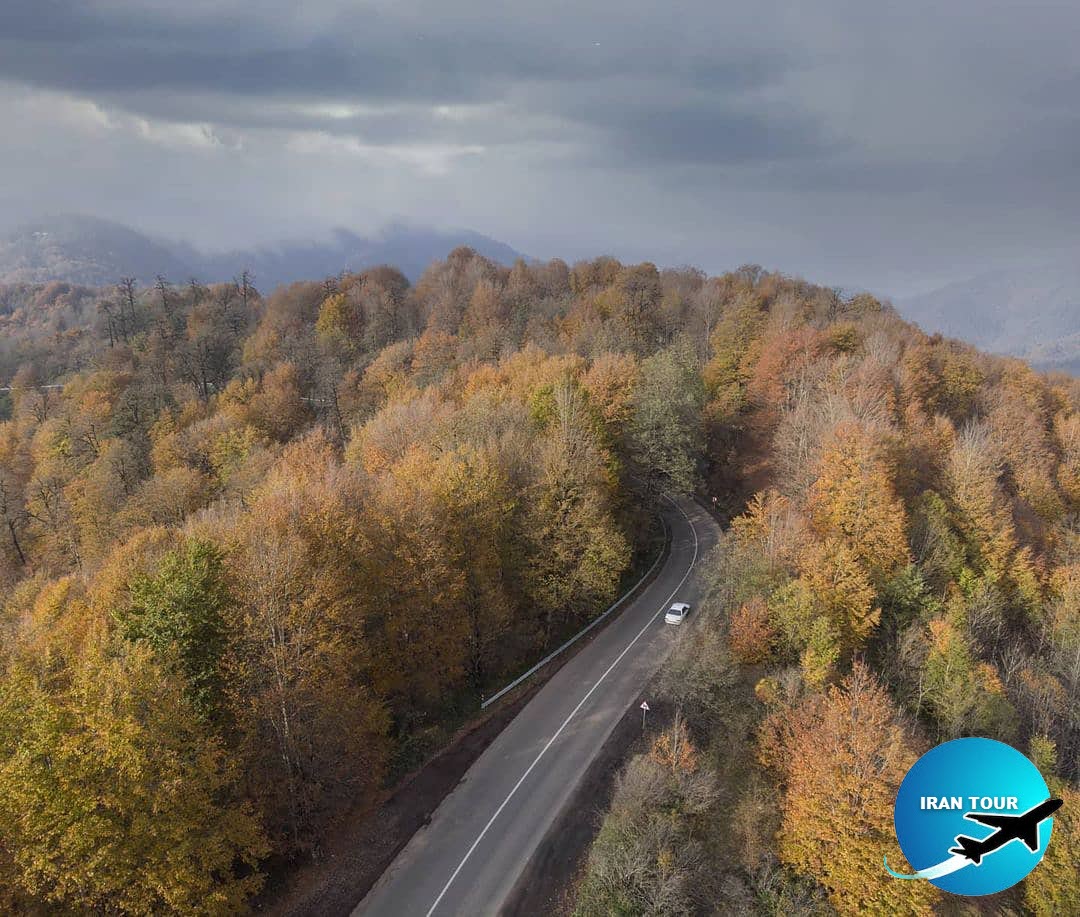
Deylaman A Hidden Paradise
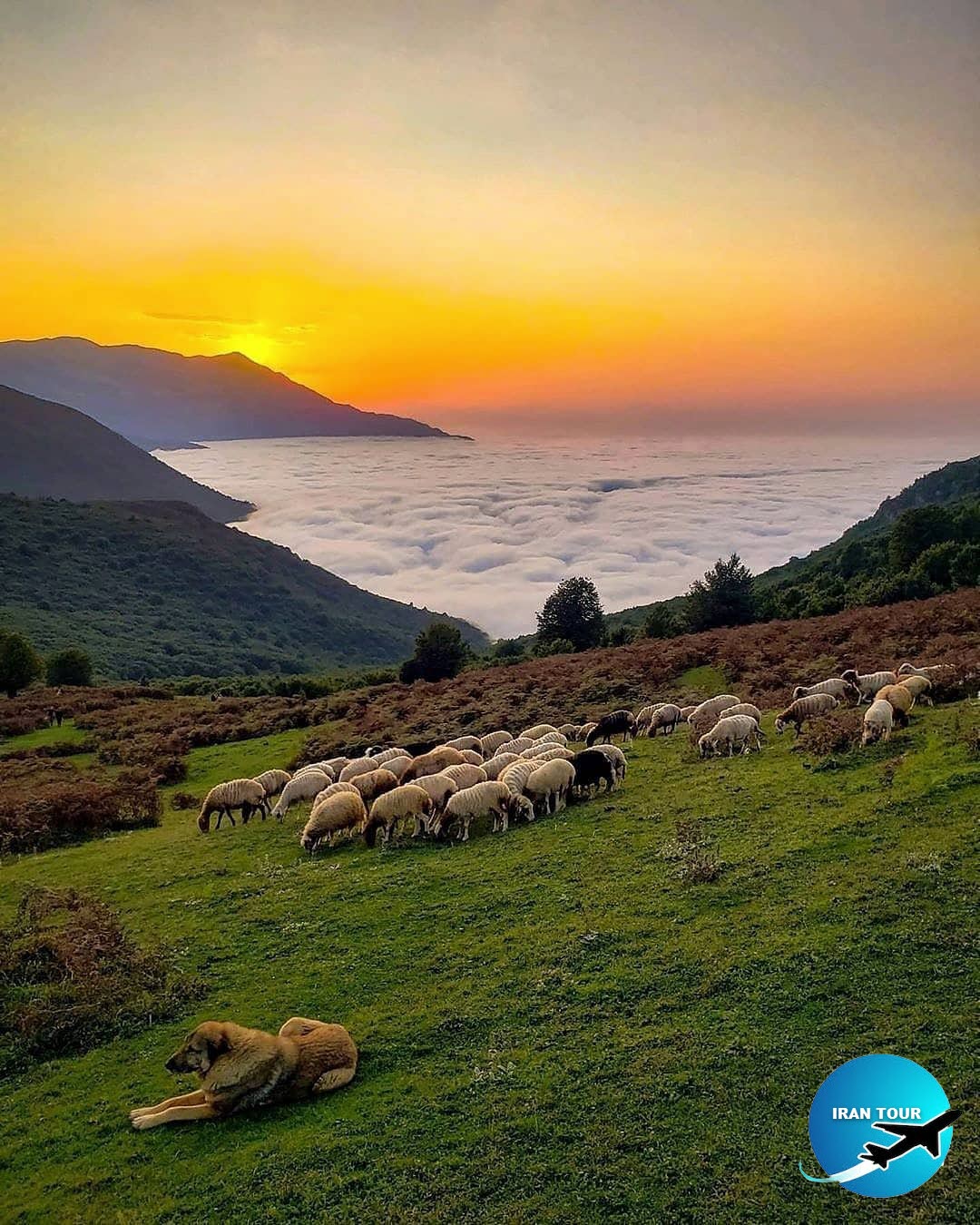
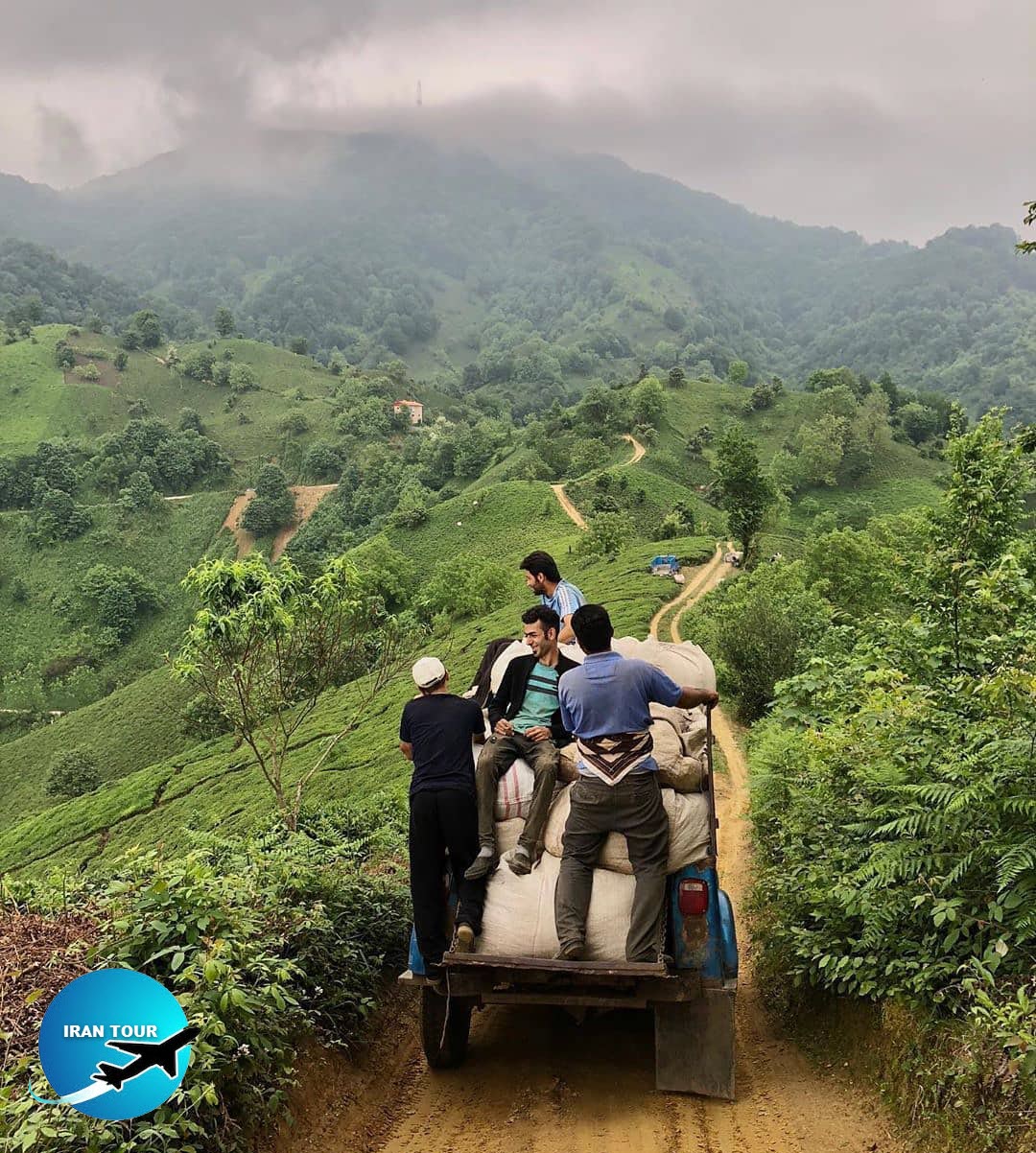
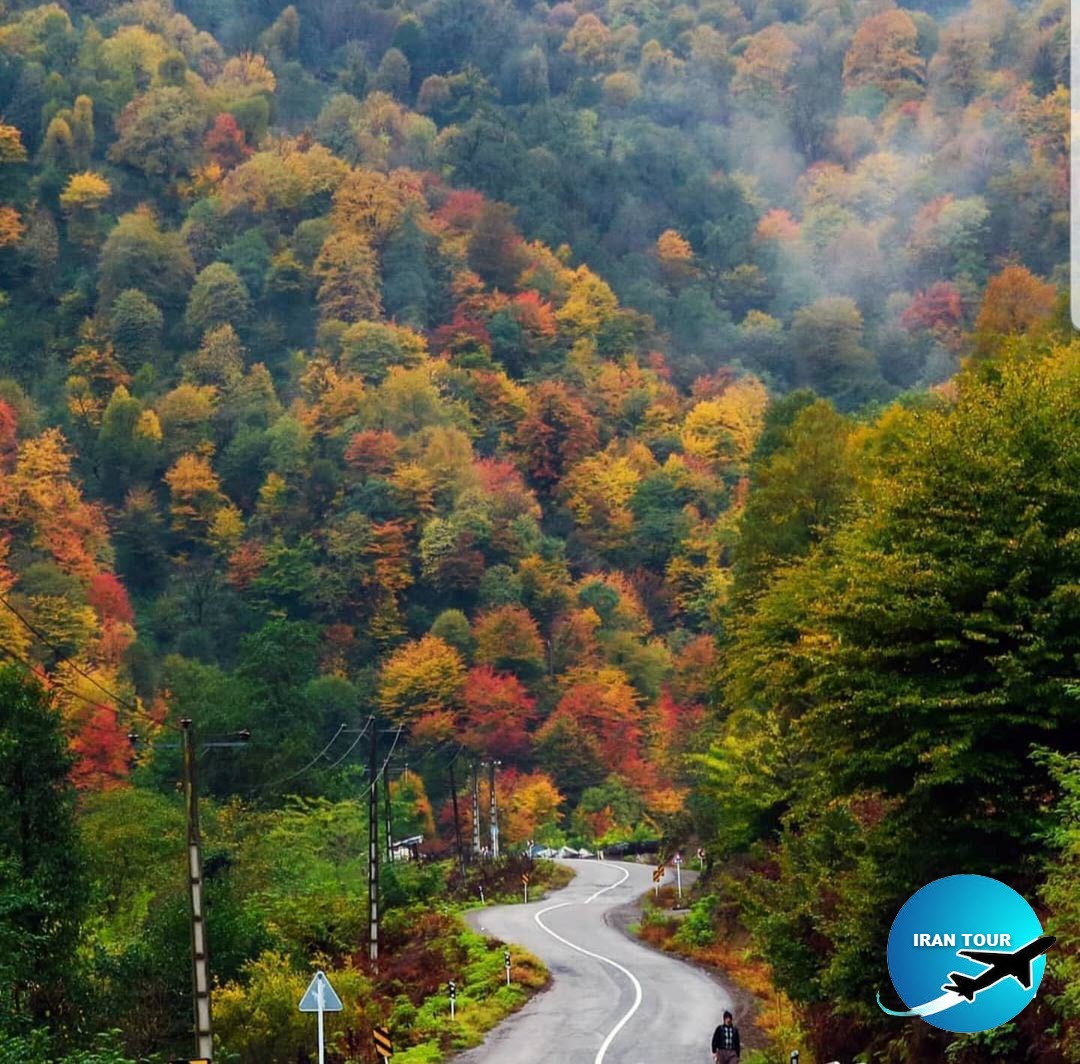
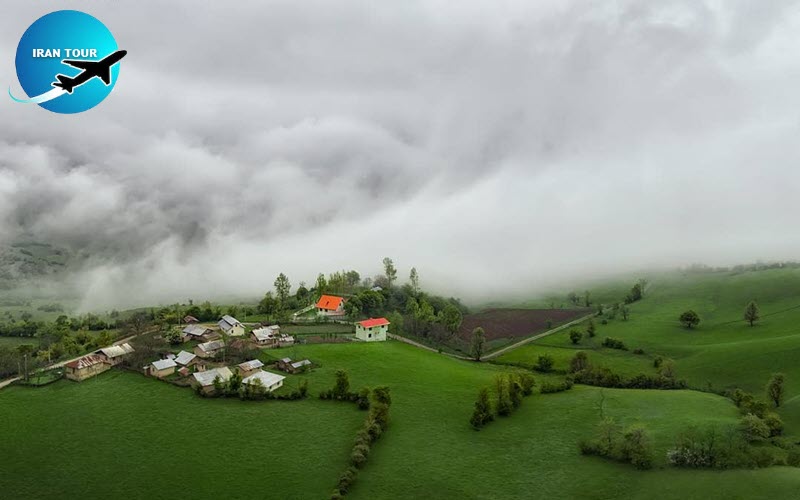
Deylaman is located in the northern foot of the mountain ranges that stretch from Gilan to the Shahroud Valley. The region takes its name from the Deylam tribe which once inhabited these mountains. Its temperate climate, like much of Iran's northern regions, is a welcome exception to the aridest climate across Iran.
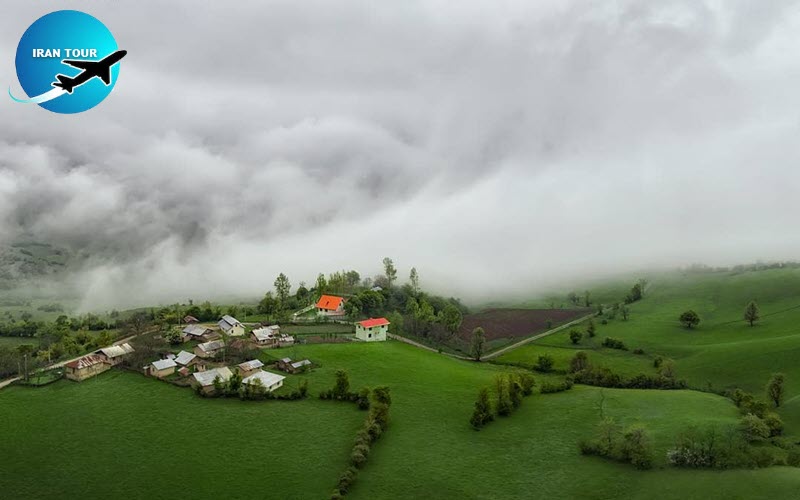 |
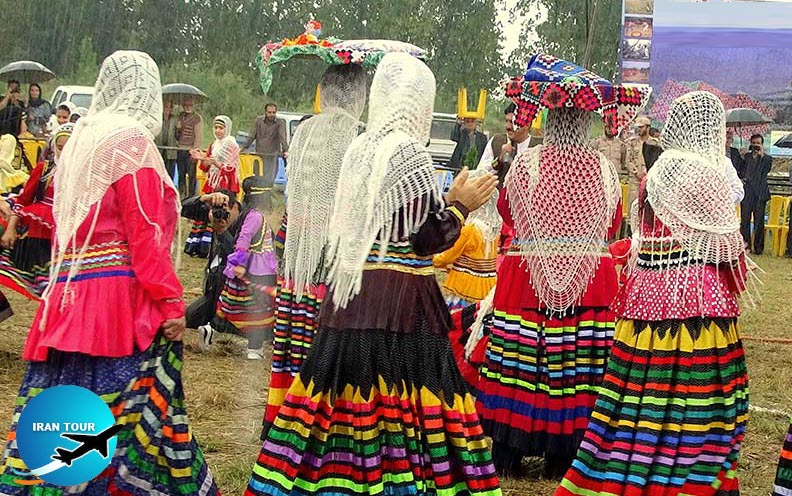
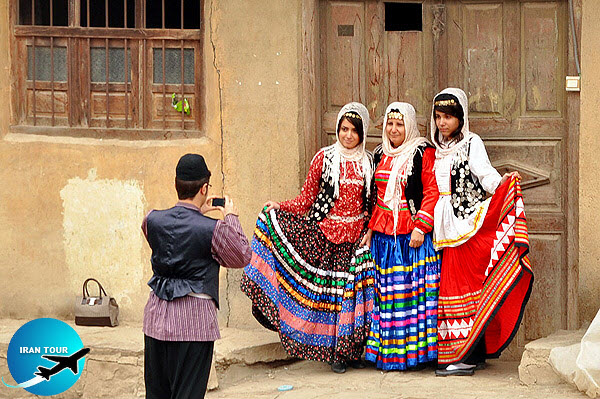
The area receives so much rainfall that the mountains slumber beneath a green velveteen blanket Local women usually use two colors of abric - black and white - to create their head coverings, which are made of about three meters of white cloth and one meter of black fabric. The women tie the black scarf around their forehead and the white one behind their neck Their skirts, made mostly of cotton or silt, are full of folds and creases which reach down to cover their ankles. The women also wear colorful pajamas. A short vest with a tiny side pocket usually accompanies the long wrinkled skirt.
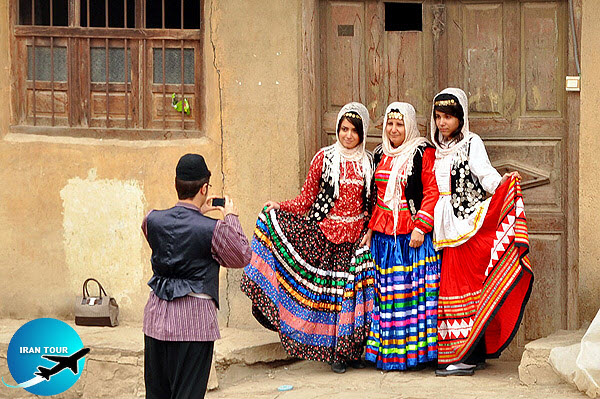 |
The vests are typically decorated versith intricate patterns of needlework winters. The nee look, the feet are hat with broad ear-covērracal men woolen clothing is called lebas-e-velayati, which literally means national clothes. Springtime and summer outfits are called lebas-e-narm, or soft clothes'. Farmers used to wear a kind of overcoat called shoala which was woven from wool to make it waterproof.

- Details
- Category: Where to go in IRAN