Copyright 2020 - 2021 irantour.tours all right reserved
Designed by Behsazanhost
8 Iran Vernal Attractions You Never Knew Existed
Iran is not just a desert. Forget everything you think you know — or everything you have heard. Even the stories, the images, and the travel warnings you may have come across might not match the reality of Iran’s nature. This country stretches across six climate zones, sheltering 4-million-year-old forests, rivers wild enough for rafting, snow-capped peaks above 5,600 meters (Damavand Peak), and flower-carpeted plains that bloom every spring. From north to south, east to west, Iran’s natural diversity is waiting — and most of it remains completely off the tourist radar.
Over the past 3 decades, our agency has guided tour groups to each of these destinations — from the green plains of Golestan in early April to the rafting rivers of Chaharmahal in late May. What our guides have seen on the ground, and what our travelers have experienced firsthand, is the basis of everything in this guide.
Iran’s Natural Landscape: More Than You Expect
Before diving into destinations, understand what Iran’s geography actually offers:
Alborz & Zagros Mountains — towering ranges with peaks above 5,000 m, ski resorts, and alpine valleys
Hyrcanian Forests — UNESCO-listed, 4 million years old, stretching along the Caspian coast
Roaring Rivers — permanent rivers fed by mountain snowmelt, ideal for rafting and kayaking
Vast Green Plains — seasonal wildflower plains that transform completely in spring
Wetlands & Lakes — freshwater lagoons, salt lakes, and bird sanctuaries
Desert — yes, Iran has deserts too — but as a stunning attraction, not a limitation
Here is a list of the 8 most wonderful natural attractions that you don’t know exist in Iran!
| No | Destination | Region | Best For | Best Season | Bus from Tehran | Approx. Accommodation |
| 1 | Turkman Sahra | Golestan (North) | History + Nature + Birds | Spring | $2 | $15–70/night |
| 2 | Mahallat | Central Province | Flowers + Spa + Culture | Spring–Summer | $3 | $20–60/night |
| 3 | Khansar | Isfahan Province | Wildflowers + Villages | Spring | $3 | $20–50/night |
| 4 | Qamsar | Kashan, Isfahan | Rose Water + Gardens | May–June | $2 | $25–80/night |
| 5 | Khorram Abad | Lorestan (West) | Waterfalls + Valleys+ Nomads | Spring–Summer | $4 | $20–55/night |
| 6 | Shiraz | Fars Province (South) | History + Gardens + Culture | Spring | $4 | $30–120/night |
| 7 | Kurdistan | West Iran | Forests + Lakes + Villages | Spring–Summer | $4 | $20–60/night |
| 8 | Chaharmahal & Bakhtiari | Southwest | Rafting + Rivers + Nomads + Tribal Stays | Spring–Summer | $3 | $15–50/night |
Ratings and seasonal recommendations above are based on our agency’s direct experience leading group tours to each destination.
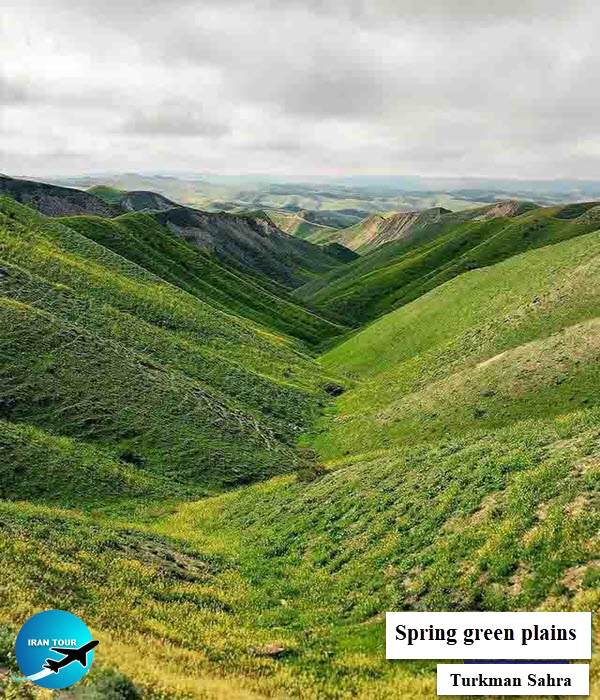
1. Spring Green Plains — Turkman Sahra
Where: Golestan Province, northeastern Iran — bordered by the Caspian Sea to the west, North Khorasan to the east, and Turkmenistan to the north.
Turkman Sahra is one of Iran’s most underrated ecotourism destinations: velvety green plains, roaring rivers, lush Hyrcanian forests, and a living nomadic culture centered around Iran’s original native horses. This is Iran nature tourism at its most raw and authentic.
What to See
Qaboos Tower — 75-meter brick tower, 1,000+ years old, tallest brick tower in the world, UNESCO World Heritage Site.
Jurjan Wall (Great Wall of Iran) — 200 km Sasanian-era defensive wall, older than parts of the Great Wall of China, located 44 km from Gonbad-e Kavus.
Ashuradeh Island — the only island in the Caspian Sea, rich in native and migratory birds, accessible by boat.
Inche Brun Wetland — prime birdwatching habitat along the Atrak River, home to dozens of migratory bird species.
Khalid Nabi Tomb — hilltop religious site with panoramic views over the green plains.
Agh Qala City — ancient Turkmen settlement and breeding center of original Iranian horses
Horse Racing & Equestrian Events — traditional horse racing (Kowrs) and dedicated horseback riding programs across the open plains; a unique cultural experience found nowhere else in Iran. When we bring tour groups here in late March, the contrast between the green plains and the Qaboos Tower on the horizon is one of those moments that genuinely stops people mid-sentence. We always schedule the horse racing visit for the first morning — it sets the tone for everything that follows.
Hyrcanian Waterfalls — tall waterfalls deep inside 4-million-year-old ancient forests in Golestan National Park.
Shirvan Ancient Hills — archaeological mounds with layers of pre-Islamic history.
How to Get There
Train: Tehran → Gorgan, from ~$2 (multiple daily schedules).
Plane: Tehran → Gorgan domestic flight, from ~$12.
Car: 530 km via highway.
Where to Stay
3–5 star hotels in Gorgan city
Eco-lodges and local guesthouses throughout the region
Price range: budget eco-lodge ~15–25/night∣mid−range hotel 40–70/night
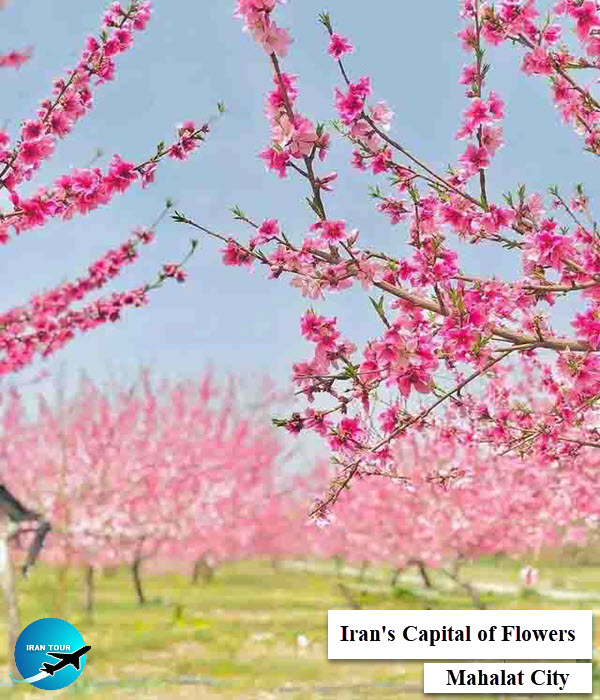
2. Mahallat — The Capital of Iran’s Flowers
Where: Central Province, 280 km from Tehran.
Known as “Iran’s Holland,” Mahallat exports over $20 million worth of flowers annually to Kazakhstan, Turkey, India, UAE, and beyond. Its fertile land and ideal climate produce chrysanthemums, gladiolus, roses, iris, and rare species year-round. This is one of the most surprising and beautiful spring destinations in Iran — a true hidden gem for flower tourism and wellness travel.
What to See
Ancient Trees — plane trees, oaks, European ash, and walnuts throughout the city.
Spa Springs — natural mineral springs with therapeutic properties, ideal for wellness tourism.
One practical note from our group tours: book the spa accommodations at least three weeks in advance for May visits. We learned this the hard way when a group of 18 travelers arrived to find the better guesthouses fully booked during the flower festival week.
Zoroastrian Fire Temple — one of the finest in Iran, a window into pre-Islamic Persian heritage.
Khorhe Village — over 2,000 years old, one of Iran’s most ancient villages.
Old Bridges & Castles — 200+ year-old structures showcasing traditional Iranian architecture.
Natural Caves — stunning cave systems for adventure travelers and nature lovers.
Best time to visit: Early spring to late summer; May for flower festivals and local cultural events.
How to Get There
Bus: Tehran → Mahallat, from ~$3 (scheduled daily departures)
Car: 280 km via Qom or Arak
Where to Stay
3-star hotels with international standards
Apartment hotels with mineral spa access
Eco-lodges and local guesthouses
Price range: ~$20–60/night depending on type
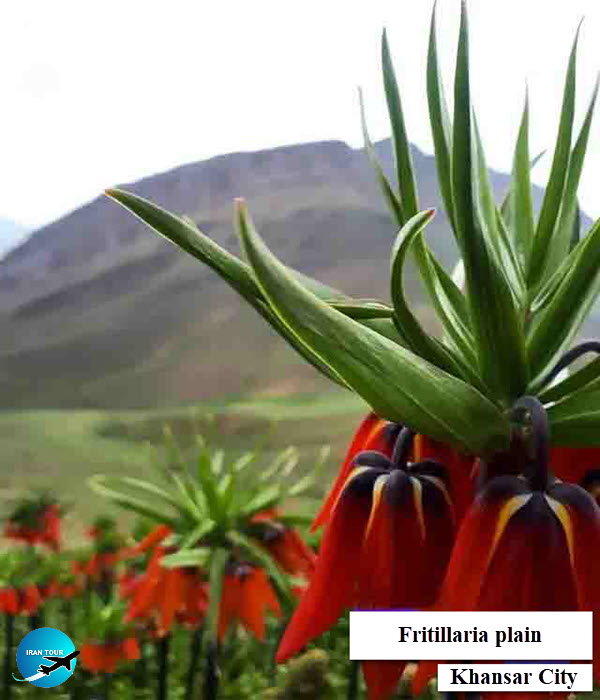
3. Khansar — The Plain of Fritillaria Flowers
Where: Isfahan Province, 170 km from Isfahan, 112 km from Mahallat.
Khansar combines natural beauty with Persian architecture in one of Iran’s greenest spring destinations. Permanent rivers, snowy mountains, and rare Fritillaria (inverted tulip) wildflower plains make it a must-visit for spring travelers and ecotourism enthusiasts.
Bonus tip: Khansar is only 170 km from Isfahan. This makes it easy to combine your visit with a trip to Isfahan — one of the most beautiful historical cities in the world, home to Naqsh-e Jahan Square (UNESCO), the Grand Bazaar, and stunning Islamic architecture. Two destinations, one journey.
What to See
Fritillaria Flower Plains — rare inverted tulip fields blooming in spring, one of Iran’s most beautiful wildflower spectacles. The Fritillaria plains have a very short window — typically 10 to 14 days in mid-April. In our experience guiding spring tours, groups who arrive even one week late find the flowers already past peak. We always schedule this stop for the second week of April.
Vast Green Plains — dense orchards, gardens, and wildflower meadows.
Holy Shrines — Baba Pir, Seyed Ahmad, Seyed Saleh — windows into local culture and history.
Old Houses — 200-year-old examples of traditional Iranian domestic architecture.
Historical Monuments — old bazaar, Jame Mosque, ancient bridges and hills.
Isfahan Day Trip — 170 km away; visit Naqsh-e Jahan Square, Sheikh Lotfollah Mosque, Si-o-Se Pol Bridge, and the Grand Bazaar.
How to Get There
Bus: Tehran → Khansar, from ~$3 (scheduled daily departures from Tehran terminals)
From Isfahan: local bus or taxi, approximately 170 km
Where to Stay
Hotels, apartment hotels, and eco-lodges in the city Price range: ~$20–50/night
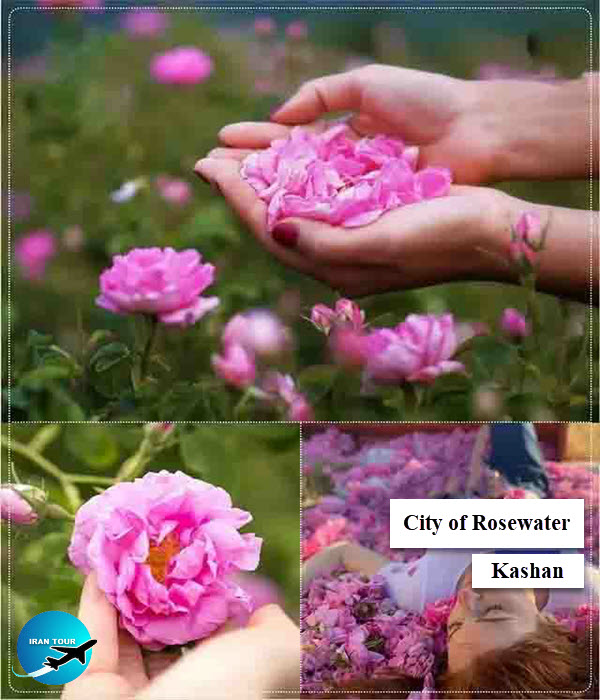
4. Qamsar — The City of Fragrant Flowers
Where: 30 km south of Kashan, Isfahan Province.
Qamsar is the rose water capital of the world. Over 100 hectares of flower gardens, 700+ traditional distillation workshops, and 1.5 million annual visitors make this one of Iran’s most sensory and memorable travel experiences. The air itself smells of roses in May and June.
Bonus tip: Qamsar is only 30 km from Kashan — one of Iran’s most beautiful historical cities. A visit to Qamsar can easily be combined with Kashan’s famous attractions: Fin Garden (UNESCO), Tabatabaei House, Sultan Amir Ahmad Bathhouse, and the ancient city of Sialk. Two unforgettable destinations in one trip.
What to See
Rose Gardens — hundreds of hectares of blooming Damask roses (peak: May–June).
Traditional Rose Water Workshops — watch centuries-old distillation methods live. We have taken groups through the distillation workshops in early May for several consecutive years. The workshop owners in Qamsar are genuinely welcoming to foreign visitors — several have started keeping basic English explanations ready specifically for international tour groups. It is one of the most interactive stops on any central Iran itinerary.
Qamsar Jame Mosque — historic mosque in the heart of the city.
Shah Abbasi Caravanserai — Safavid-era roadside inn on the old trade route.
Rosewater Museum — dedicated to the history and craft of rose water production.
Khatoon Traditional House — authentic Persian domestic architecture.
Kashan Day Trip — 30 km away; visit Fin Garden, Tabatabaei House, and the ancient bazaar.
How to Get There
Bus: Tehran → Kashan from ~$2, then local transport to Qamsar (30 km)
Where to Stay
Luxury traditional hotels in Kashan (3–5 star)
Eco-lodges and traditional guesthouses in Qamsar
Price range: ~$25–80/night
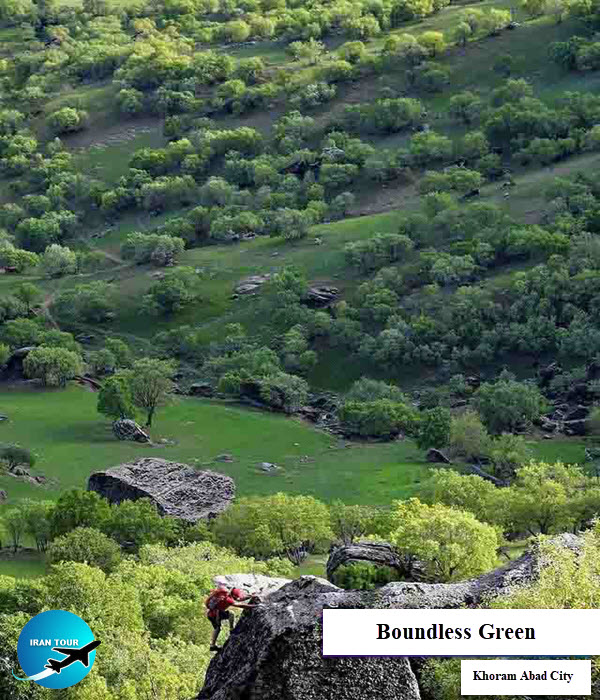
5. Khorram Abad — The Ever-Green Province
Where: Lorestan Province, western Iran, 480 km from Tehran.
Nestled deep in the green Zagros mountains, Khorram Abad is a mesmerizing mix of deep valleys, tall waterfalls, ancient caves, and living nomadic culture. It is one of Iran’s most beautiful and least-visited nature tourism destinations — perfect for hikers, waterfall chasers, and cultural travelers.
What to See
Bisheh Waterfall — one of Iran’s most beautiful waterfalls, rising through ancient oak forests, approximately 80 km from Khorram Abad city center, accessible near Bisheh railway station.
A logistical note for group travel: the road to Bisheh Waterfall from the railway station is manageable for standard vehicles, but we always advise groups to wear proper footwear — the trail near the waterfall base gets slippery after rain, which is frequent in spring. This is not mentioned in most travel guides, but it matters.
Gahar Lake — one of Iran’s largest freshwater lakes, surrounded by high mountains; famous for trout fishing and stunning reflections.
Khazine Valley — Iran’s answer to the Grand Canyon, carved by the Karkheh River, located on the road from Pol Dokhtar to Andimeshk.
Makhmel Kooh (Velvet Mountain) — forest park, valley, and waterfall combined in one area.
Shoorab Forest Park — 70-hectare savanna mountain forest with ecotourism and geotourism facilities.
Falak ol Aflak Castle — massive Sasanian-era fortress overlooking the entire city.
Best time to visit: April–May for green plains and possible nomad migration sightings.
How to Get There
Bus: Tehran → Khorram Abad from ~$4 (daily departures)
Car: 480 km via highway
Where to Stay
3–4 star hotels in Khorram Abad city
Traditional eco-lodges in surrounding villages
Price range: ~$20–55/night
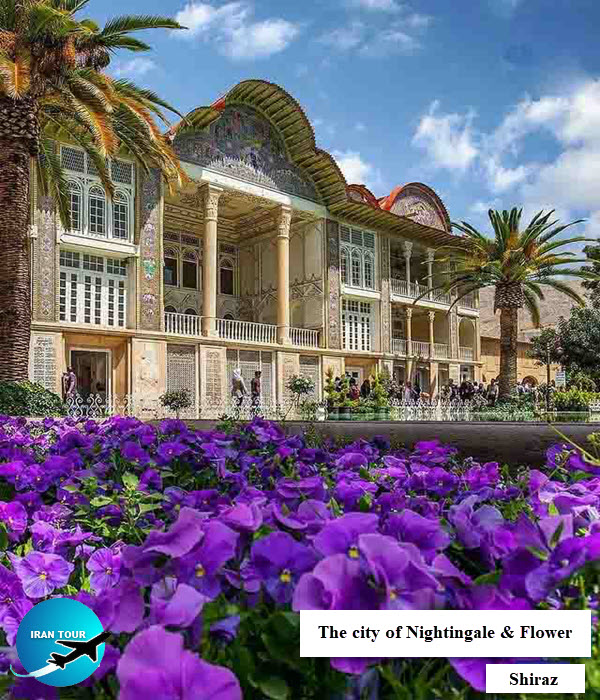
6. Shiraz — The City of All Good Things
Where: Fars Province, southern Iran.
Shiraz needs no introduction as a historical city — but its spring natural beauty is equally extraordinary. Orange blossom gardens, historical green parks, and a famously gentle climate make it one of Iran’s most complete travel destinations, combining history, culture, and nature in one place.
What to See
Eram Garden — UNESCO-listed Persian garden, one of the most beautiful in the world.
Hafez & Saadi Tombs — literary pilgrimage sites set in peaceful garden settings.
Historical Monuments — Achaemenid to Qajar-era heritage throughout the city, including Persepolis (60 km away).
Traditional Houses — authentic Persian domestic architecture with garden courtyards.
Bazaars & Cultural Buildings — vibrant markets, museums, and mosques.
Orange Blossom Gardens — the scent of spring fills the entire city in April–May. Of all the destinations in this guide, Shiraz consistently produces the strongest reaction from first-time visitors in our groups. The combination of the orange blossom scent in April, the scale of Persepolis, and the evening light at Hafez’s tomb creates something that is genuinely difficult to describe in advance — and that our travelers consistently call the highlight of their Iran trip.
How to Get There
Bus: from Tehran or Isfahan from ~$4
Train: Tehran → Shiraz overnight train from ~$7 — a comfortable, scenic, and budget-friendly option highly recommended for backpackers and budget travelers
Plane: from major Iranian cities from ~$30 (Shiraz International Airport)
Car: via highways from Tehran, Isfahan, Yazd, or Kerman
Where to Stay
Full range: 3–5 star hotels, apartment hotels, traditional guesthouses, eco-lodges
Price range: ~$30–120/night
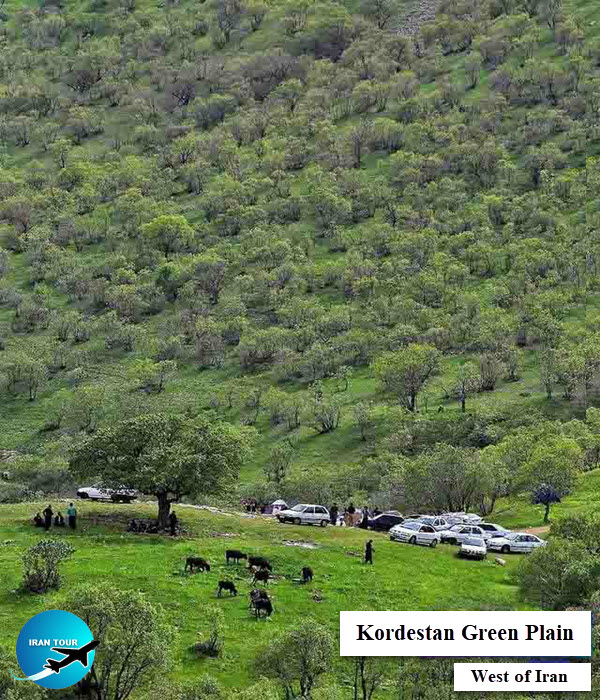
7. Kurdistan — The Green Gem of Western Iran
Where: Kurdistan Province, western Iran, 490 km from Tehran.
Kurdistan is Iran’s most forested western province — 320,000 hectares of oak and mixed forest at the foot of the Zagros range. Green velvety plains with red and yellow wildflowers, freshwater lakes, and terraced ancient villages make it a paradise for nature lovers, hikers, and cultural travelers seeking authentic Iran.
What to See
Zarivar Lake — freshwater lagoon 3 km from Marivan city, one of Iran’s most beautiful lakes; ideal for kayaking and birdwatching.
Oraman Terraced Village (Uramanat) — UNESCO World Heritage Site; one of the most stunning terraced villages in western Iran, with a living culture going back thousands of years. Oraman is one of the stops where we consistently extend the scheduled time. Groups that we plan for a two-hour visit regularly end up staying four hours — the village draws people in. Local families often invite visitors for tea without any formal arrangement. We now build extra buffer time into every Kurdistan itinerary specifically for Oraman.
Baneh Plains & Forests — 5,800+ hectares of spring wildflower plains.
Dehgolan & Qorve Plains — vast green plains at 1,800 m elevation.
Karafto Cave — ancient limestone cave from the Mesozoic era, 67 km from Divandarreh.
Historical Castles — Chengis, Ziviyeh, and Imam castles.
Sanandaj Bazaar — historic market combining cultural, social, and architectural heritage.
How to Get There
Bus: Tehran → Sanandaj from ~$4
Car: 490 km via asphalted highways
Where to Stay
Luxury and economy hotels in Sanandaj
Eco-lodges and local guesthouses in villages (strongly recommended for the full experience)
Price range: ~$20–60/night
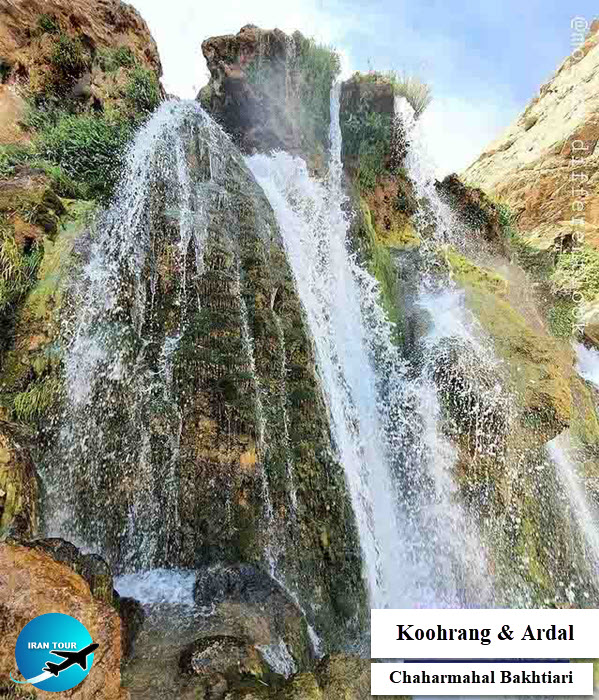
8. Chaharmahal & Bakhtiari — The Land of Roaring Rivers
Where: Southwest Iran, just 80 km from Isfahan — easily combined with an Isfahan visit.
Iran’s highest province (capital Shahrekord at 2,070 m) is the source of the country’s most famous rivers: Karun, Zayandeh Rood, and Dez. It is Iran’s premier destination for white-water rafting, alpine nature, and one of the most fascinating living nomadic cultures in the Middle East.
What to See
Armand River Rafting — one of Iran’s best white-water rafting experiences, suitable for beginners and experienced rafters. For group rafting on the Armand, we always split groups by experience level. The upper section is suitable for beginners; the lower canyon section requires prior experience. This distinction is not always made clear by local providers, so we brief our groups before arrival.
Inverted Tulip (Fritillaria) Plain — 12 km from Chelgerd, a rare and breathtaking wildflower spectacle.
Sar Agha Seyed Village — terraced village in the Zagros mountains, called “the Masuleh of Zagros”.
Choghakhor Wetland — 2,300-hectare wetland hosting thousands of birds and seasonal Bakhtiari nomads.
Chama Ice Cave — Iran’s largest freshwater source, flowing beneath layers of ice.
Zaman Khan Bridge — Qajar-era stone bridge and key rafting checkpoint on the river.
Bardeh Ski Resort — 35 km from Shahrekord, for winter visitors.
Bakhtiari Nomadic Tribal Visits — the Bakhtiari people are one of Iran’s largest and most culturally rich nomadic tribes; their spring and autumn migrations (Kooch) across the Zagros mountains are a spectacular and moving sight. The tribal tent stays are the single most requested experience among our returning travelers — people who have already visited Iran once and want to go deeper. We work with two specific local operators in the Chelgerd area whose families have been hosting guests for over a decade. The quality of the experience depends entirely on the operator, so vetting this in advance matters.
Staying in Tribal Tents (Siah Chador) — an immersive cultural experience where visitors sleep, eat, and live alongside Bakhtiari nomadic families; local tour operators arrange 1–3 night stays including traditional meals, music, storytelling, and participation in daily nomadic life; approximately $25–40/night per person, meals included
How to Get There
Bus: from Isfahan or Tehran to Shahrekord; only 80 km from Isfahan
Easily added to an Isfahan itinerary
Where to Stay
Local houses and eco-lodges (highly recommended for the full experience)
Standard hotels in Shahrekord
Tribal tent stays through local operators
Price range: ~$15–50/night
Conclusion
Iran’s natural diversity is one of the world’s best-kept travel secrets. These eight destinations — from the UNESCO Hyrcanian forests of the north to the roaring rivers of Chaharmahal & Bakhtiari, from Kurdistan’s wildflower plains to Qamsar’s rose gardens — prove that Iran offers far more than desert landscapes.
Whether you are a nature traveler, a cultural explorer, a backpacker on a budget, or an adventure seeker looking for rafting, trekking, or nomadic experiences, Iran’s vernal attractions deliver something genuinely rare: accessible, affordable, and unforgettable.
These are not destinations we discovered from a desk. Every recommendation in this guide comes from seasons of planning, traveling, and guiding groups through Iran’s landscapes — watching first-time visitors realize that what they thought they knew about this country was only a fraction of the reality. Come and see it for yourself.
FAQ: Iran Nature Tourism
1: Is Iran really a desert country? No. Iran has one of the most diverse landscapes in the world — from ancient rainforests and snowy mountains to green plains and roaring rivers.
2: What is the best time to visit Iran’s natural attractions? Spring (April–June) is ideal for most destinations. Forests, flower plains, and waterfalls are at their peak during this season.
3: Is it safe to travel to Iran as a foreign tourist? Yes, most natural and tourist areas are safe for foreign visitors. In our years of leading international tour groups across Iran, we have not encountered safety incidents in any of the natural destinations listed in this guide. Travelers in our groups consistently report feeling welcomed and safe.
4: Can I go hiking or trekking in Iran? Absolutely. Mount Damavand (5,610 m), the Zagros range, and the Alborz mountains offer world-class trekking routes for all levels.
5: Are there rainforests in Iran? Yes. The Hyrcanian Forests along the Caspian coast are over 4 million years old and are a UNESCO World Heritage Site.
6: Can I do water sports or rafting in Iran? Yes. Rivers in Lorestan, Chaharmahal & Bakhtiari, and Kurdistan offer exciting rafting and kayaking experiences, especially in spring. For group bookings, we recommend confirming experience level requirements with operators in advance — difficulty varies significantly by section of river.
7: Is Iran nature tourism budget-friendly? Very much so. Bus tickets from Tehran start from 2–3,and eco−lodges and guest houses areavailable from around 15–25 per night.
8: Do I need a visa to visit Iran? Most nationalities need a visa, but Iran offers visa-on-arrival at major airports for many countries. Always check current regulations before travel.
9: Are there flower festivals in Iran? Yes. Cities like Qamsar, Khansar, and Mahallat hold annual rose and flower festivals in May, attracting thousands of visitors each year.
10: Can I visit nomadic tribes in Iran? Yes. In regions like Chaharmahal & Bakhtiari and Fars Province, local operators offer stays in traditional nomadic tents (Siah Chador) with meals included.
- Details
- Category: Where to go in IRAN